

The Cambrian Explosion
The Origins of Complex Life

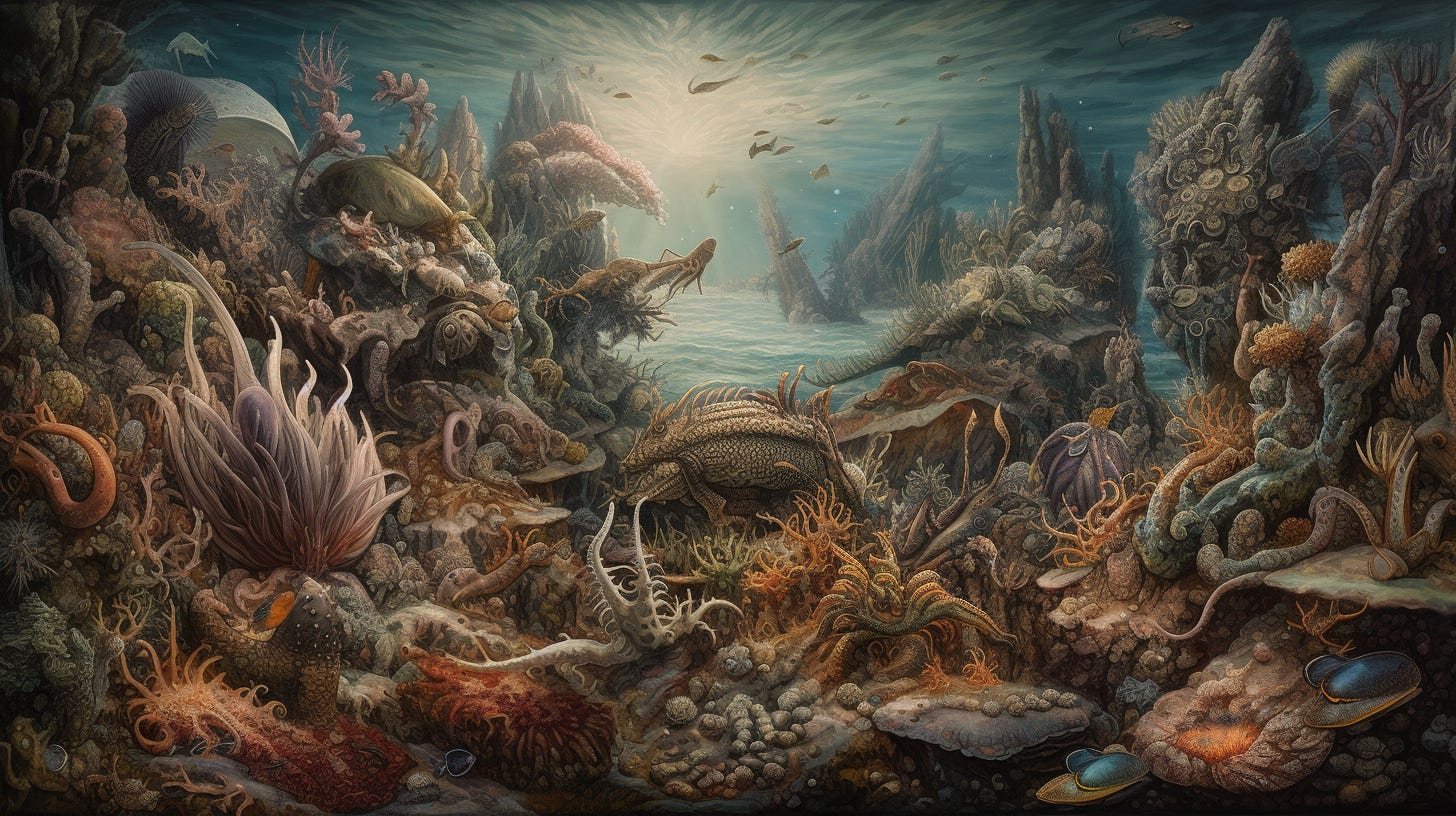
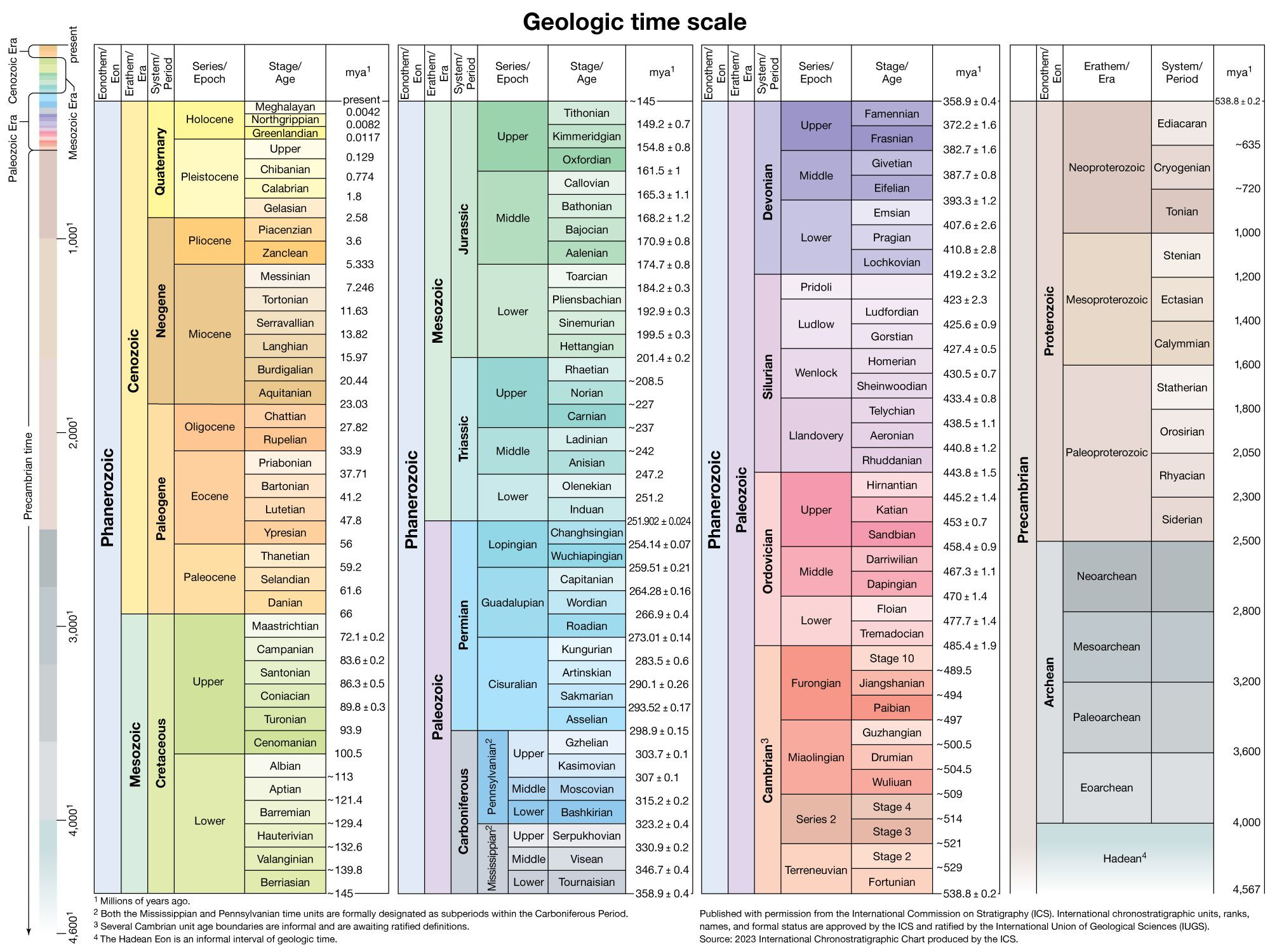
The vast tapestry of life as we know it today, teeming with complexity and intense diversity, can be traced back to a remarkable period in our planet's deep past known as the Cambrian Explosion. This influential event, unfolding around 540 million years ago, signaled a dramatic divergence from the world's previous biological order, and ushered in an unprecedented proliferation of multicellular life forms.
Often referred to as the biological Big Bang, the Cambrian Explosion serves as a cornerstone in our understanding of the evolutionary history of life on Earth, and it was during this relatively brief geological period that most of the major groups of animals first appear in the fossil record.
Here, the surge in biological diversity was so rapid, on the larger evolutionary timescale, that it essentially defies Darwin's concepts of gradual evolution through natural selection.
Throughout this blog post, we will delve into this truly impressive period of life's history, and investigate the prevailing conditions that may have instigated such a sudden, and vivid, blossoming of biodiversity. In addition, we will explore some of the new life forms that emerged and the lasting impact these early organisms have had on shaping the trajectory of life on Earth.
Contents
Earth Before the Cambrian Explosion
Defining the Cambrian
The transition from Pre-Cambrian to Cambrian
Environmental Changes
The Burgess Shale
Key Evolution through the Cambrian Explosion
Environmental Triggers and Adaptive Radiation
Oxygenation and the rise of Aerobic Organisms
Evolutionary Arms race
Ecological Niches
The Rise of Bilateral Symmetry
Conclusion
Earth Before the Cambrian Explosion
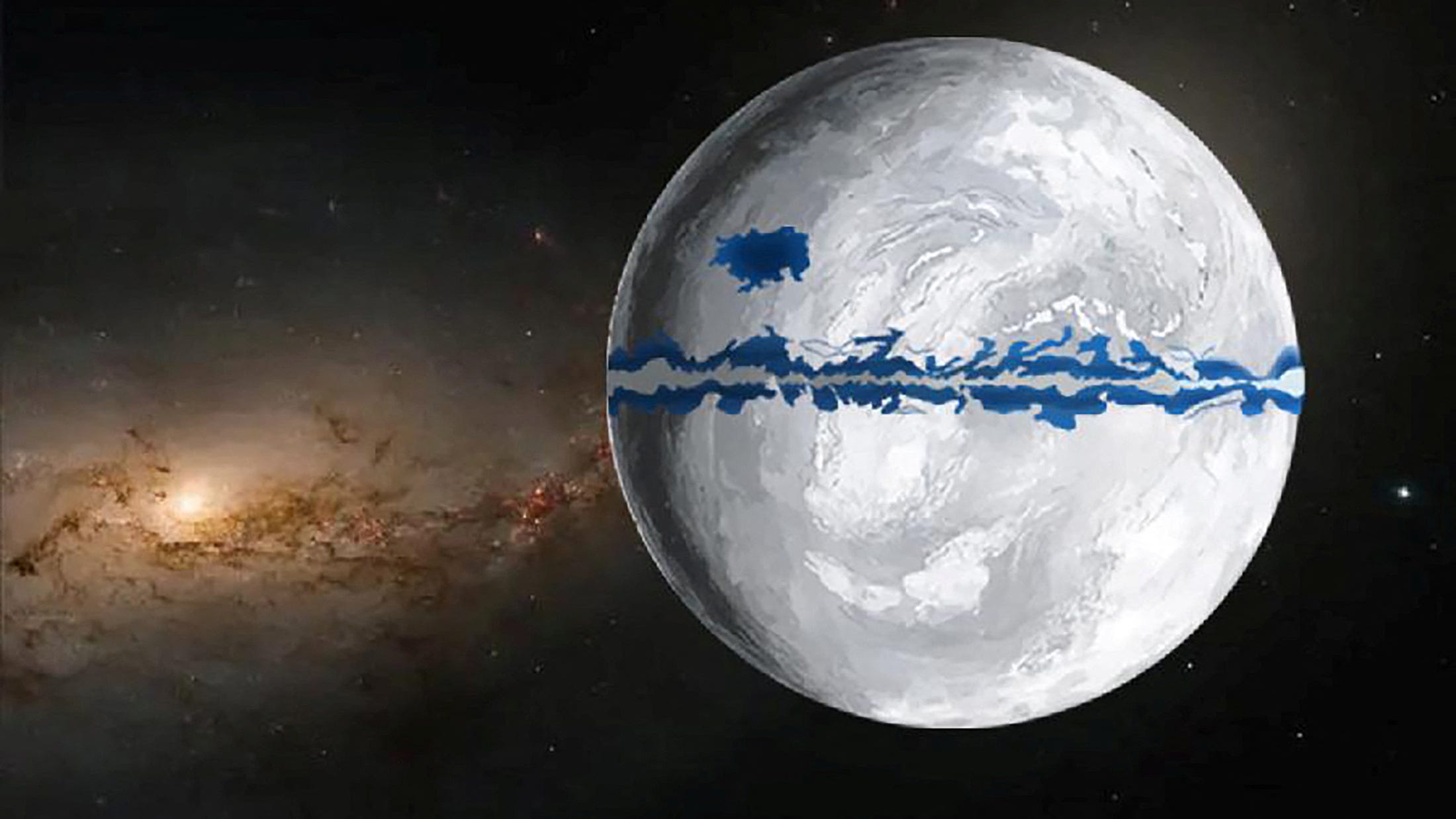
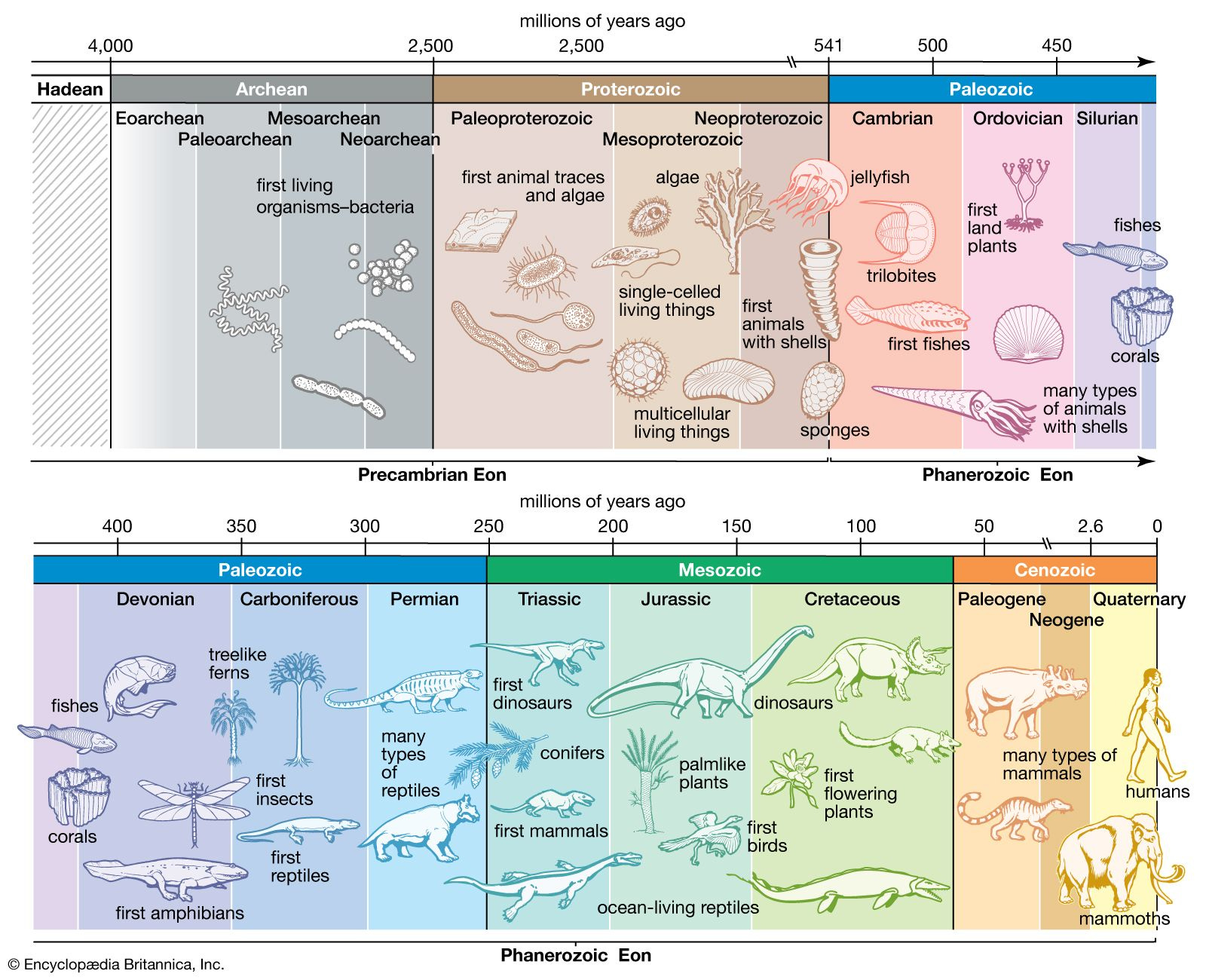
Before the Cambrian Explosion, our planet presented a dramatically different landscape from the one we know today. Approximately 600 million years ago, during the late Proterozoic Eon, the Earth was emerging from a period colloquially known as Snowball Earth, a time when much of the planet's surface was believed to be covered in ice.
Life during the Proterozoic was predominantly microbial, and the seas teemed with single-celled organisms like bacteria and archaea, as well as early multicellular organisms, including algae and simple soft-bodied creatures. These organisms formed extensive microbial mats, known as stromatolites, that dominated the shallow marine environments. Terrestrial life, on the other hand, was virtually nonexistent, as the continents were largely barren landscapes, devoid of any sizable life forms.
Although these Proterozoic life forms may seem primitive compared to the diverse fauna that would later begin to populate the planet, they played a crucial role in preparing the Earth for the forthcoming explosion of life. Through the process of photosynthesis, cyanobacteria – a group of bacteria capable of converting sunlight into energy – slowly filled the Earth's atmosphere with oxygen, setting the stage for the evolution of more complex, oxygen-breathing organisms.
This ancient world was further shaped by tectonic activities, which caused the Earth's continents to coalesce into a supercontinent called Rodinia, whose eventual breakup would cause the formation of another supercontinent, Pannotia, resulting in significant changes in the Earth's oceanic and atmospheric chemistry.
The curtain call of the Proterozoic Eon was heralded by a significant period known as the Ediacaran, lasting from approximately 635 to 541 million years ago. This epoch was characterized by an effusion of biological novelty and creativity, unlike anything seen in the previous eras of Earth's history.
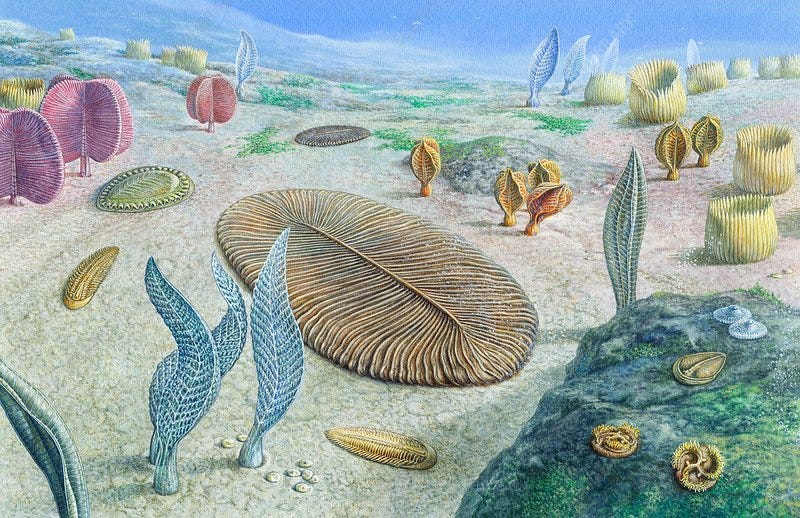
The Ediacaran Period was home to an ensemble of highly unusual and enigmatic life forms collectively referred to as the "Ediacaran Biota."
These organisms were among the first complex multicellular life forms to grace the Earth, an array of soft-bodied creatures that defy easy categorization, and their forms ranged from disc-shaped to frond-like, and from quilted bags to segmented worms. Some were stationary, anchored to the seafloor, while others were mobile, presenting new diversity to the otherwise bland environment.
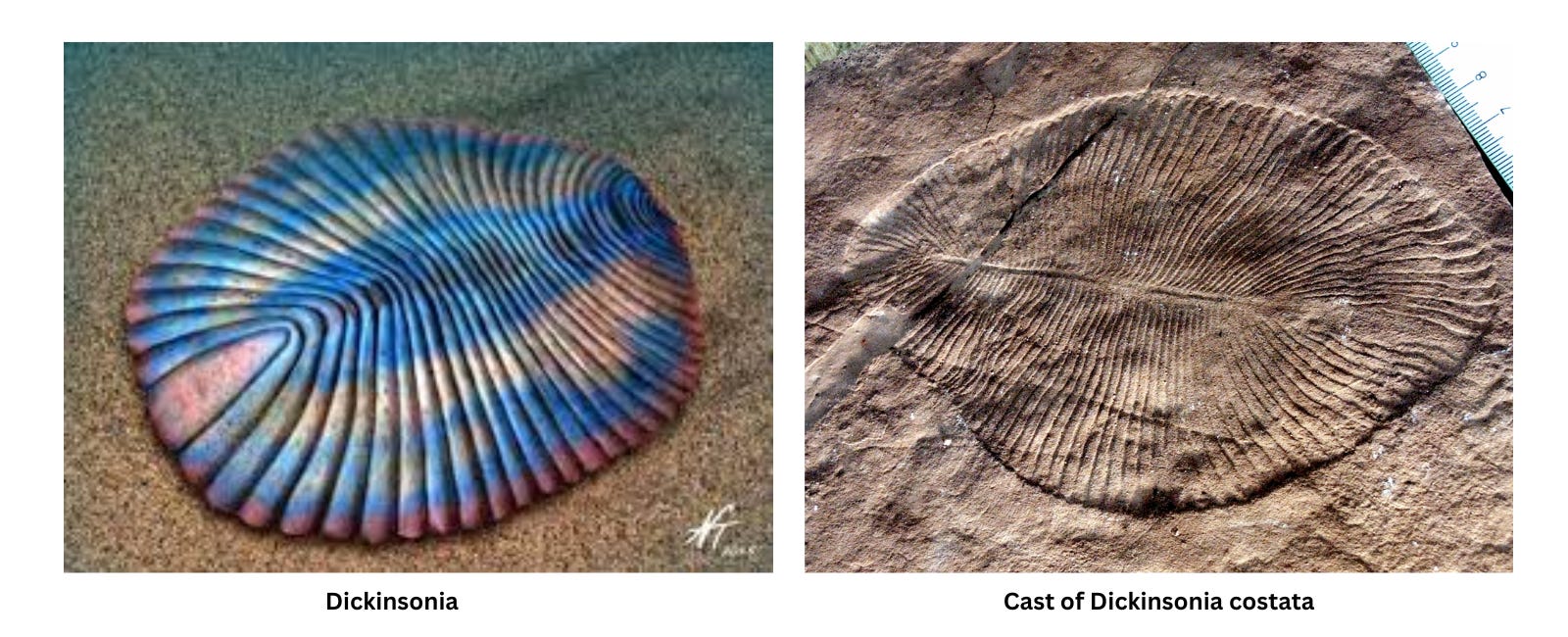
Preserved as impressions in fine-grained sediment, their fossilized remnants showcase a variety of body plans, suggesting a degree of complexity and specialization previously unobserved. A notable member of the Ediacaran Biota, Dickinsonia, resembles a flat oval with a pattern of stripes running along its body - a structure thought to indicate a level of internal organization hinting at future evolutionary potential.
Importantly, the Ediacaran Biota populated the seas just before the onset of the Cambrian Explosion, and thus, their existence plays a critical role in understanding the origins of complex life. Some scientists argue these organisms were early forms of the animal phyla that emerged in the Cambrian Explosion, while others propose that they belonged to extinct lineages unrelated to later life forms. Whichever way your opinion lands on Dickinsonia and the other pre-Cambrian life forms, it’s clear that the stage was set for the Earth's most dramatic evolutionary act, and a spectacle that would dramatically reshape the trajectory of life on our planet: the Cambrian Explosion.
Defining the Cambrian
The Cambrian Explosion, occurring approximately 541 million years ago, was a pivotal period of rapid biological evolution and diversification, and within a span of 13 to 25 million years, a multitude of complex, multicellular organisms emerged, with many of today's major animal phyla making their first appearance.
This 'explosion' of life brought forth an array of structural innovations, including biomineralization, leading to organisms with shells and exoskeletons. Furthermore, it introduced the first animals exhibiting bilateral symmetry, a fundamental trait of most modern animals.
The transition from Precambrian to Cambrian: Environmental Changes
The passage from the Precambrian to the Cambrian era heralded a profound transformation, not solely biological but also planetary and the period bore witness to an amalgamation of environmental changes, all of which served as catalysts for the Cambrian Explosion.
One of the most pivotal alterations was the substantial increase in oxygen levels in both the ocean and atmosphere, a phenomenon that had been occuring and increasing for a period of time. The Great Oxygenation Event, which occurred around 2.3 billion years ago, marked the first significant introduction of free oxygen into Earth's atmosphere, produced by photosynthesizing cyanobacteria. However, it wasn't until the late Proterozoic that oxygen levels began to rise more rapidly, reaching concentrations capable of sustaining more energetically demanding multicellular life forms. The increase in oxygen meant more available energy, a prerequisite for the evolution and maintenance of more complex organisms.
Coupled with this was a dramatic change in ocean chemistry, and the Neoproterozoic witnessed the rise of calcium concentrations in seawater, which was likely triggered by geological activity and weathering of the continents. This change in the chemical milieu of the oceans opened up new evolutionary possibilities, enabling the development of organisms with hard parts, such as shells and exoskeletons.
Meanwhile, Earth was undergoing massive geological changes, and as we have mentioned, the breakup of the supercontinent Rodinia led to shifting continents, creating new oceanic and coastal habitats. Sea levels also fluctuated during this period, in part due to global glaciation events known as Snowball Earth, and these events likely placed further selective pressure on marine organisms, encouraging adaptive evolution.
The interplay of these environmental changes crafted a biosphere teetering on the brink of radical transformation, and as oxygen levels soared, ocean chemistry fluctuated, and continents drifted, life was poised to exploit these new opportunities, paving the way for the Cambrian Explosion
Burgess Shale and Other Notable Fossil-Rich Deposits
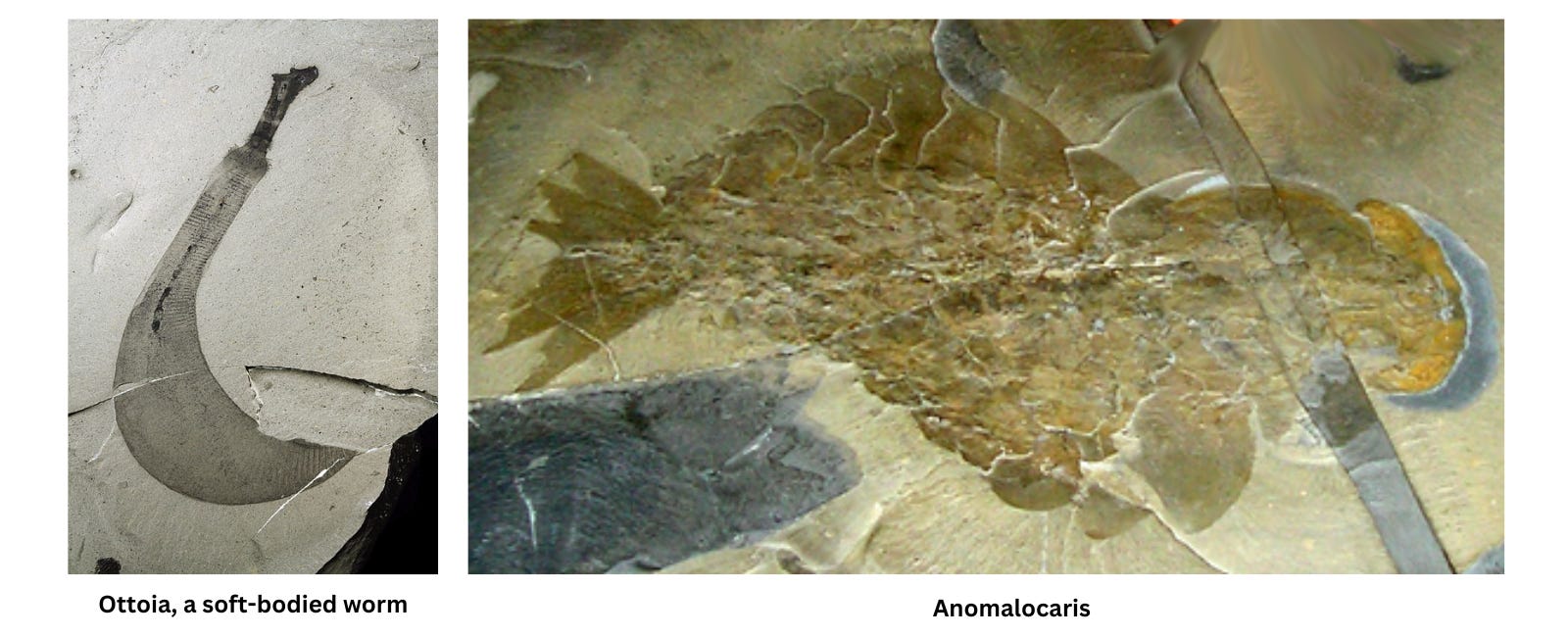
One of the most significant pieces of the Cambrian puzzle is the Burgess Shale, a fossil-rich deposit in the Canadian Rockies. Discovered in 1909 by paleontologist Charles Walcott, the Burgess Shale is renowned for its exceptionally well-preserved fossils, offering a detailed glimpse into Cambrian life.
Fossils in this deposit have retained soft body parts and minute details often lost in other locations, painting a vivid picture of the Cambrian ecosystem.
The Burgess Shale is not the only such deposit. Other lagerstätten (exceptionally preserved fossil sites) that offer insight into the Cambrian Explosion include the Chengjiang deposit in China, rich in early arthropod fossils, and the Sirius Passet in Greenland.
Together, these fossil troves form the foundation of our understanding of the Cambrian Explosion and indeed, the emergence of complex life on Earth.
Key Evolutions through the Cambrian Explosion
The Cambrian explosion was a theatre with a truly dynamic and diverse cast of characters, each playing a pivotal role in reshaping the biosphere.
These evolutionary innovators not only survived the changing conditions of the era but thrived, diversifying into a multitude of forms.
Trilobites: The Pioneers of the Cambrian Seas
Among the many organisms that emerged during the Cambrian explosion, trilobites are arguably the most iconic and most easily recognized. These extinct marine arthropods, named for the three distinct longitudinal lobes of their bodies, were truly trailblazers of the Cambrian seas, and boasted an array of adaptations that allowed them to exploit a diverse range of habitats and resources.
Their hardened exoskeletons, segmented bodies, and compound eyes - one of the earliest known examples of such a complex visual system - were major evolutionary innovations, and, in addition to providing defense against predators, their exoskeletons could also be molted to allow for growth, a characteristic they shared with their modern arthropod descendants.
Trilobite adaptability manifested in incredible diversity, with over 20,000 species identified so far, varying greatly in size, morphology, and lifestyle, while some were detritivores, scavenging the seafloor, others still were active predators. Furthermore, while some species were adapted to swim in the open ocean, others crawled on the seabed or burrowed into the local sediment.
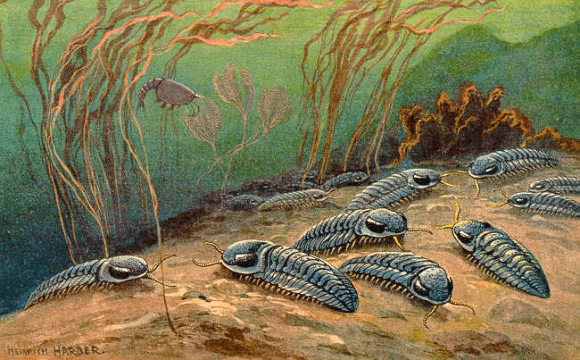
The widespread geographical distribution and the immense diversity of trilobites make their fossils particularly valuable to paleontologists, and their distinctive and easily identifiable segmented exoskeletons have proven to be important biostratigraphic markers, helping scientists to date and correlate rock layers of Cambrian age across different geographical locations.
However, the trilobites did not merely survive the Cambrian period. They flourished for another 270 million years, enduring various environmental changes and mass extinction events, before finally disappearing at the end of the Permian.
Anomalocarids: Fierce Predators of the Cambrian Oceans
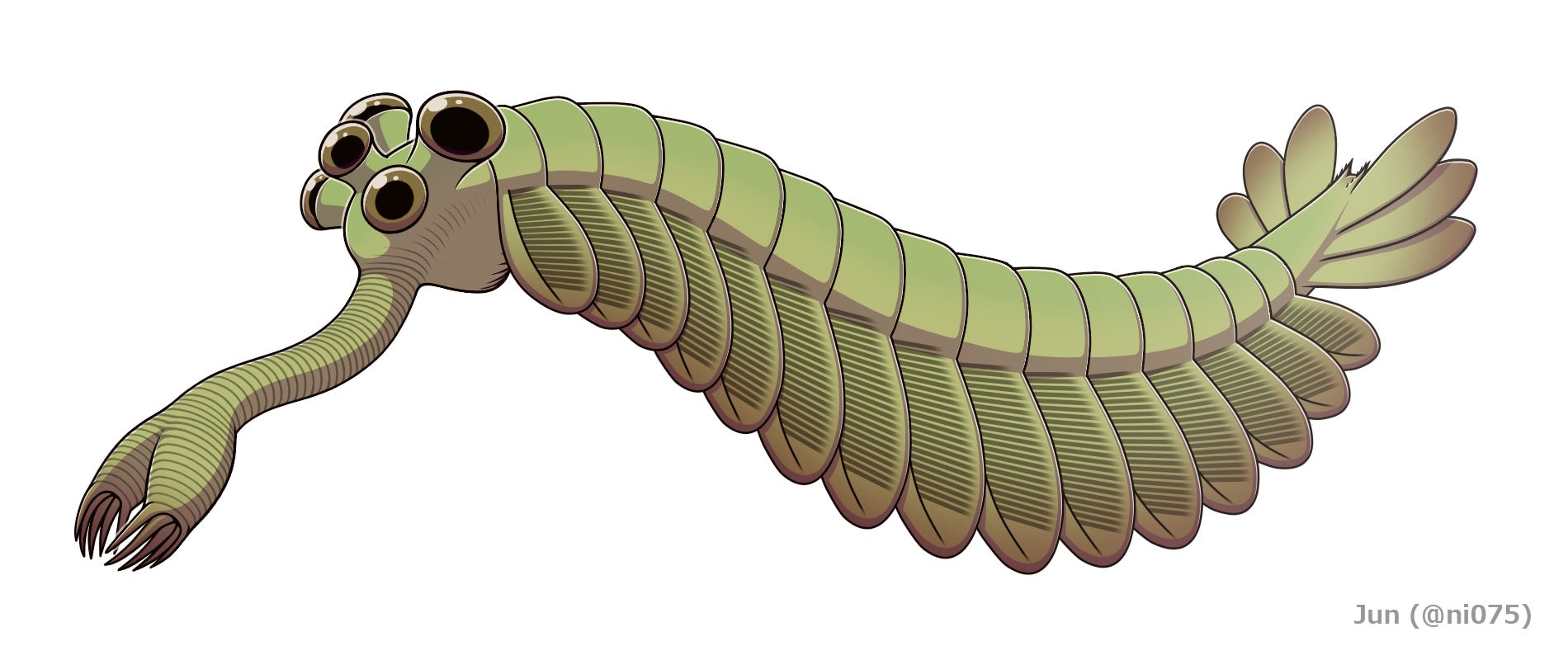
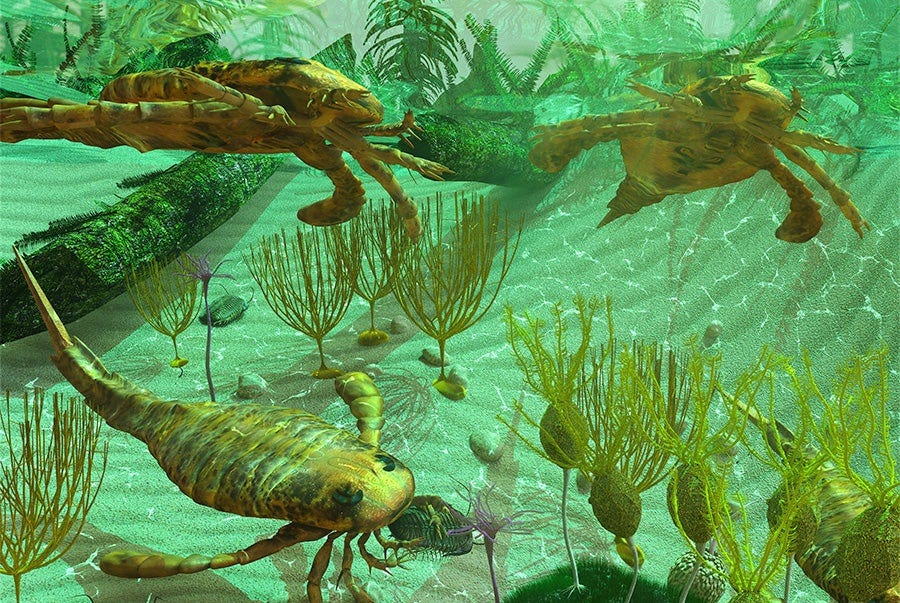
Anomalocarids, whose name translates to "strange shrimp," were some of the most formidable creatures to inhabit the Cambrian seas. These marine predators, considered to be among the earliest relatives of the arthropods, truly embodied the dramatic diversification of body forms that characterized the Cambrian explosion.
Ranging in size up to two meters in length, anomalocarids were considerably larger than most other organisms of the time, and their size, coupled with their novel anatomical features, positioned them as apex predators within the Cambrian food web, a significant shift towards increased ecological complexity.
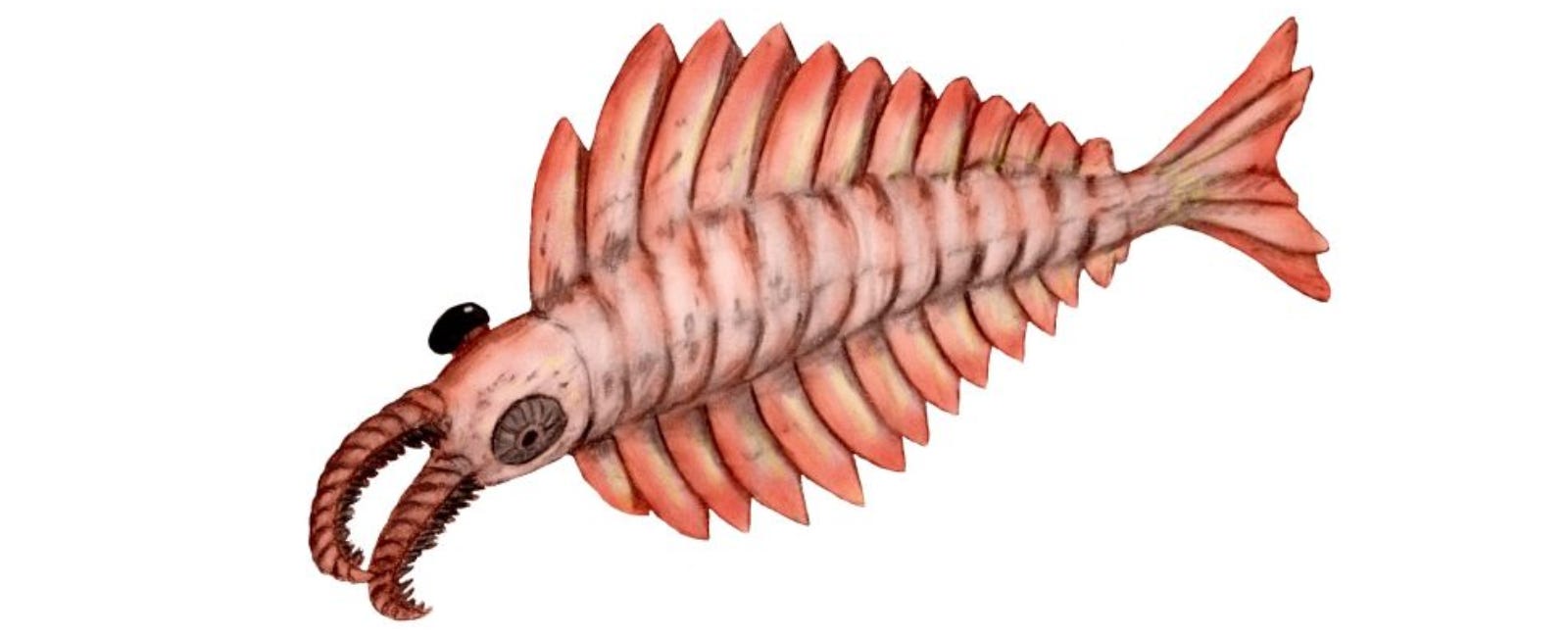
These extraordinary creatures boasted elongated, flexible bodies that were segmented, much like their modern arthropod relatives, but their most distinguishing feature, however, was their unique feeding apparatus. A pair of flexible, clawed appendages extended from their head, likely used to seize prey. These appendages flanked a circular, plate-covered mouth, unlike anything observed in modern organisms.
Anomalocarids had large, compound eyes, similar to those of many insects today, mounted on stalks, giving them a wide field of view for detecting prey. Their bodies ended in a fan-shaped tail, which, along with lateral body flaps, likely propelled them swiftly and easily through the Cambrian waters.
The presence of such a large and specialized predator as the anomalocarid in the Cambrian seas signifies a new epoch in the evolution of life, marking the beginning of complex ecosystems with advanced predatory-prey interactions, setting the stage for the intricate food webs we see in today's oceans.
Brachiopods: Ancient Filter Feeders
Long before the first clam opened its shell on the ocean floor, brachiopods—often referred to as 'lamp shells'—were the predominant sessile filter-feeders of the Cambrian seas. Though superficially similar to bivalve mollusks due to their hinged, two-part shells, brachiopods are a distinct phylum of marine invertebrates, distinguished by their unique morphology and feeding mechanisms.
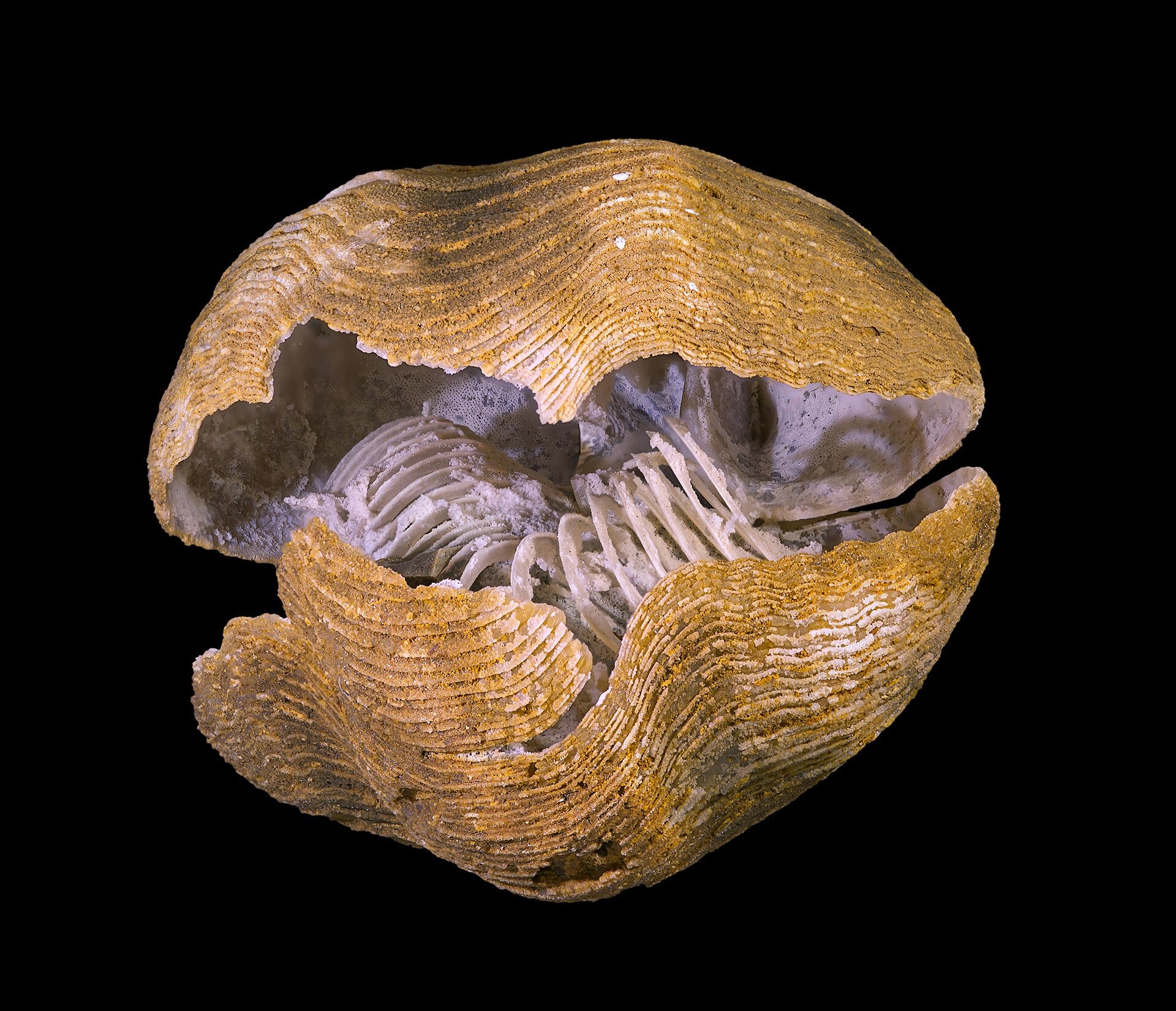
Anchored to the substrates of the Cambrian oceans, these ancient filter feeders flourished in a variety of environments, from shallow waters to deep ocean floors, and their mode of life was simple yet effective. They would attach themselves to the sea floor via a structure known as a pedicle—a fleshy stalk protruding from their shell, and once anchored, they used their lophophores, specialized feeding structures consisting of ciliated tentacles, to capture organic particles and tiny organisms from the water column.
The flow of water across these tentacles not only facilitated feeding, but also oxygenation, as it ensured a constant flow of oxygen-rich water over the brachiopod's respiratory surfaces.
Unlike bivalves, whose two shells are mirror images of each other, the two shells of a brachiopod are dissimilar, with one being larger and more convex than the other. The interior of the shells housed a coelom, a fluid-filled body cavity that is a hallmark of the group.
Archaeocyathids: The Mysterious Reef Builders
The ancient seascape of the Cambrian was further adorned with peculiar, sessile marine organisms known as Archaeocyathid, which, akin to organic, skeletal towers that sprung from the seafloor, are known to have been the architects of the first complex reef systems, significantly contributing to the ocean's growing complexity during this epoch.
The fundamental architecture of an archaeocyathid was that of a calcareous, cup-shaped skeleton, often fluted and marked by a concentrically nested structure. These skeletons were punctuated by minuscule pores, evoking a structural resemblance to the porous forms of modern sponges. It is this structural likeness that has led many paleontologists to propose a sponge-like affinity, although the exact phylogenetic position of archaeocyathids within the tree of life remains a subject of ongoing debate.
The hollow interiors of the archaeocyathid structures likely harbored a network of soft, living tissue that performed essential biological functions, whereas, the outer structure facilitated a passive filter-feeding lifestyle, similar to the modus operandi of their purported sponge relatives.
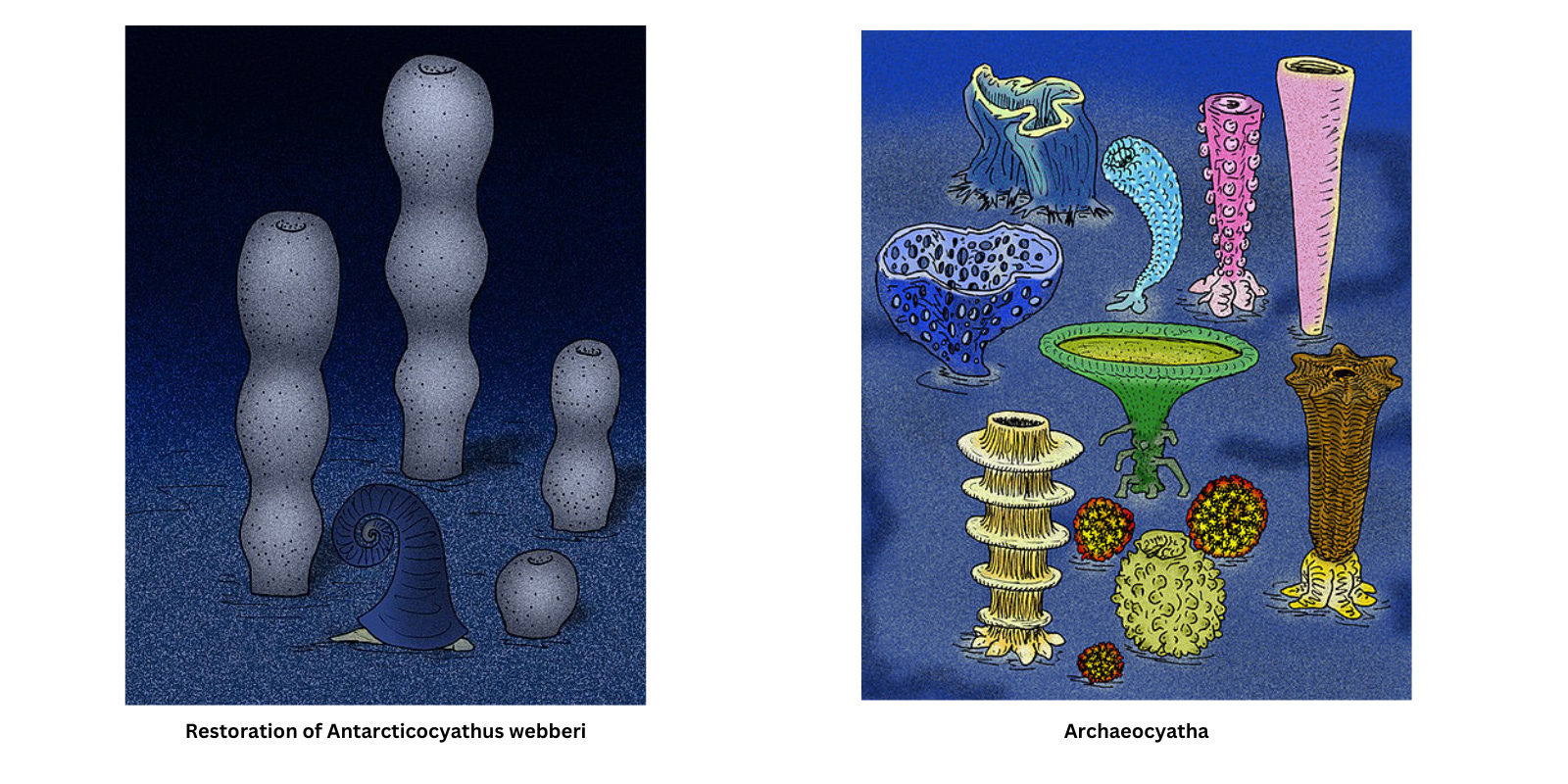
Appearing in the Early Cambrian, the archaeocyathids experienced a rapid radiation and global dispersal, with their reef-building activities driving an unprecedented diversification of marine habitats. Their robust, calcified skeletons provided a framework for the development of early reefs, offering a multitude of microhabitats for other organisms and contributing to the burgeoning biodiversity.
Yet, despite their swift ascendancy and profound ecological role, archaeocyathids faced an equally rapid decline, and by the end of the Early Cambrian, they had almost entirely vanished from the fossil record.
Environmental Triggers and Adaptive Radiation
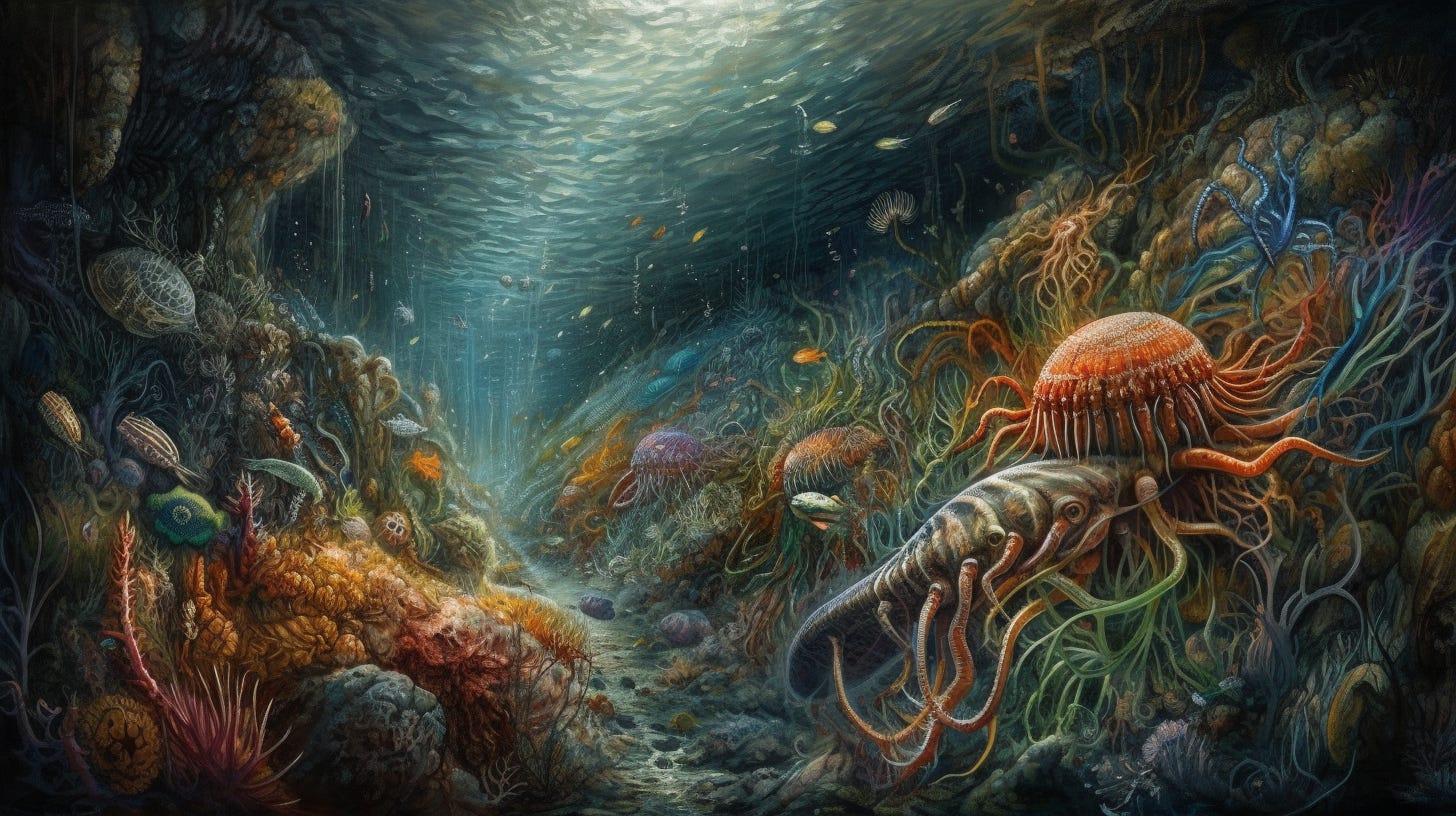
As we delve deeper into the Cambrian Explosion, it becomes ever-more imperative to consider the foundational environmental factors that would have affected this divergence of life.
During this period, the complex interplay between lifeforms and their surroundings cultivated a co-evolutionary environment, fostering an unparalleled surge in biodiversity, and the emergence of a multitude of adaptive novelties.
Oxygenation and the Rise of Aerobic Organisms
In the narrative of the Cambrian period, a crucial turning point is characterized by a remarkable upsurge in atmospheric oxygen levels, marking a pivotal event in the history of life on Earth, known as the Great Oxygenation Event. The gradual accretion of oxygen in Earth's atmosphere was initiated by photosynthetic cyanobacteria during the Archean eon, however, it was the Cambrian epoch that witnessed oxygen concentrations reaching an unprecedented threshold, which consequently fostered the emergence and sustenance of complex, energy-intensive life forms.
This transformational event facilitated significant evolutionary breakthroughs that forever changed the trajectory of life. Firstly, the surge in oxygen levels enabled the advent of aerobic respiration, an energy production method far superior to its anaerobic counterparts predominant in preceding eons. Aerobic respiration represented an evolutionary leap, allowing organisms to generate substantially more energy from the same amount of nutrients, a capability that became increasingly vital with the escalation in biological complexity.
Secondly, the heightened concentrations of atmospheric oxygen permitted the formation of hard, protective shells and exoskeletons through biological mechanisms requiring oxygen. This provided organisms with an additional layer of defense against potential predators, significantly influencing survival strategies and prompting an evolutionary arms race that stimulated further diversification and complexity.
Evolutionary Arms Race: Predation and Defense Mechanisms
During the Cambrian, an intricate drama of life and death was unfolding, essentially the first evolutionary arms race, a spectacle primarily triggered by the advent of predation. With the introduction of the first predators, such as the fearsome anomalocaridids, mentioned above, a new survival dynamic emerged, instigating an intense competition that would fuel a surge of evolutionary innovation.
Prey organisms, suddenly faced with the harsh reality of predation, were compelled to adapt rapidly, leading to the development of robust defense mechanisms, which saw the emergence of hard shells and intricate exoskeletons, spiked armor, and even the art of camouflage - all in a bid to evade the relentless pursuit of predators.
However, this defensive evolution did not occur in isolation, and as prey organisms strengthened their defenses, predators were confronted with their own survival challenge, spurring an escalation in predatory specialization and efficiency. Predators evolved more sophisticated hunting strategies, stronger jaws, and sharper teeth to counter the increasingly formidable defenses of their prey.
This relentless cycle of adaptation and counter-adaptation, often referred to as the Red Queen's race, underpinned the rapid diversification of species during the Cambrian period. The ceaseless quest for survival advantages led to the emergence of novel body plans, unique behaviors, and an explosion of biodiversity.
Ecological Niches and the Diversification of Body Plans
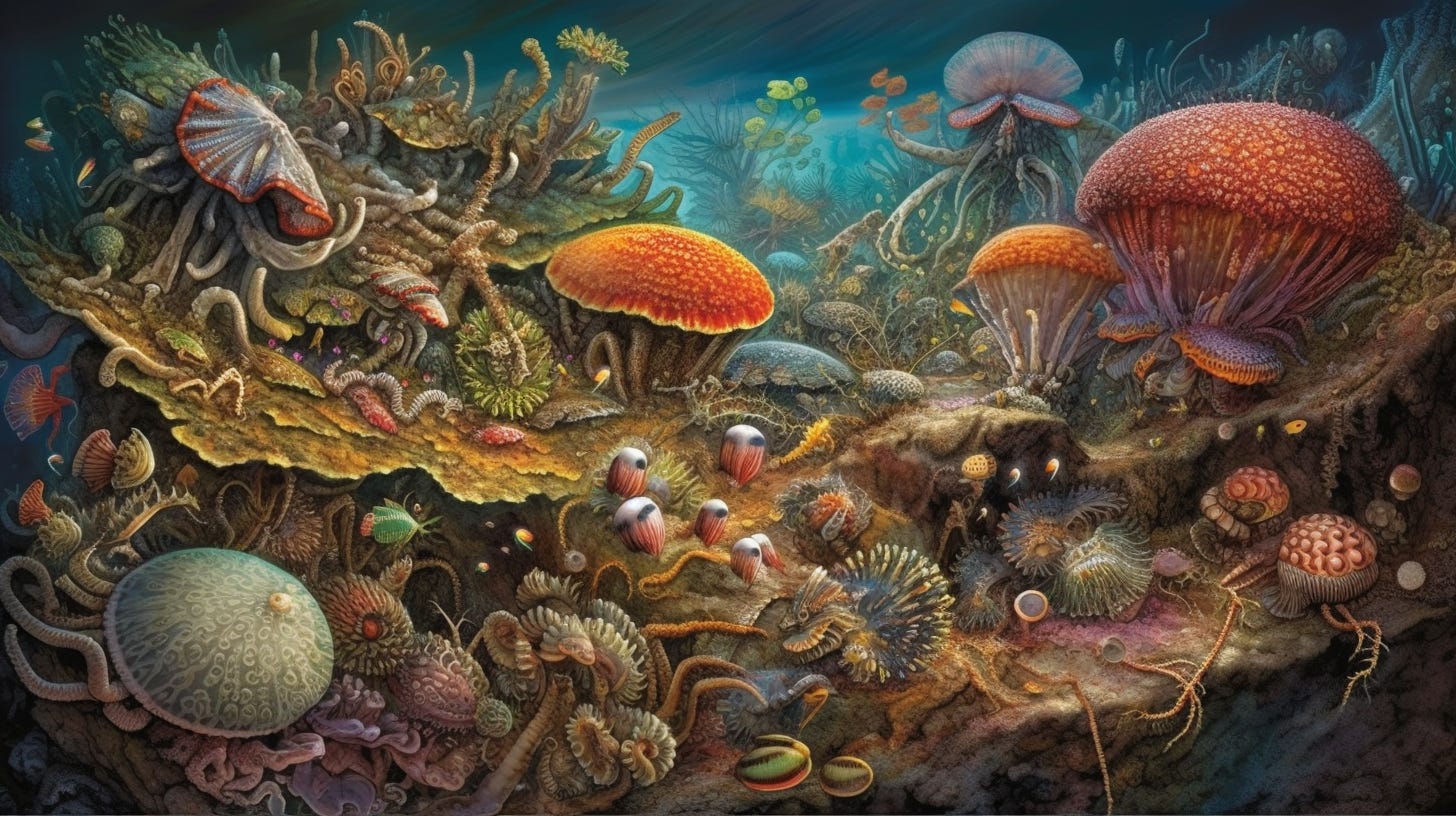
As the Cambrian oceans brimmed with life, diverse habitats emerged, each presenting a wealth of ecological niches ready for occupation. These niches, each presenting their own distinctive challenges and resources, spurred organisms to explore new strategies for survival, fostering an explosion of evolutionary innovation.
This process, known as adaptive radiation, is a central driver of speciation and diversity, and embodies the principle of survival of the fittest, compelling organisms to adapt, diversify, and optimize their ways of life to suit their environment. During the Cambrian Explosion, adaptive radiation operated in its highest gear, resulting in a dazzling array of body plans, ecological roles, and morphological structures.
This diversification was manifest in every facet of Cambrian life. Benthic dwellers evolved to exploit the resources of the seabed, while pelagic organisms refined their bodies for a free-swimming existence. Filter feeders, predators, scavengers, and grazers all carved out their own niches, each contributing to the burgeoning complexity of Cambrian ecosystems.
Adaptive radiation also saw the emergence of novel morphological structures — shells, appendages, sensory organs, and more — each an adaptation tailored to an organism’s specific niche. From the elaborately segmented bodies of trilobites to the intricate filter-feeding apparatus of brachiopods, the diverse forms of Cambrian life underscore the power of adaptive radiation as a driving force in evolution.
The Rise of Bilateral Symmetry and Complex Organisms
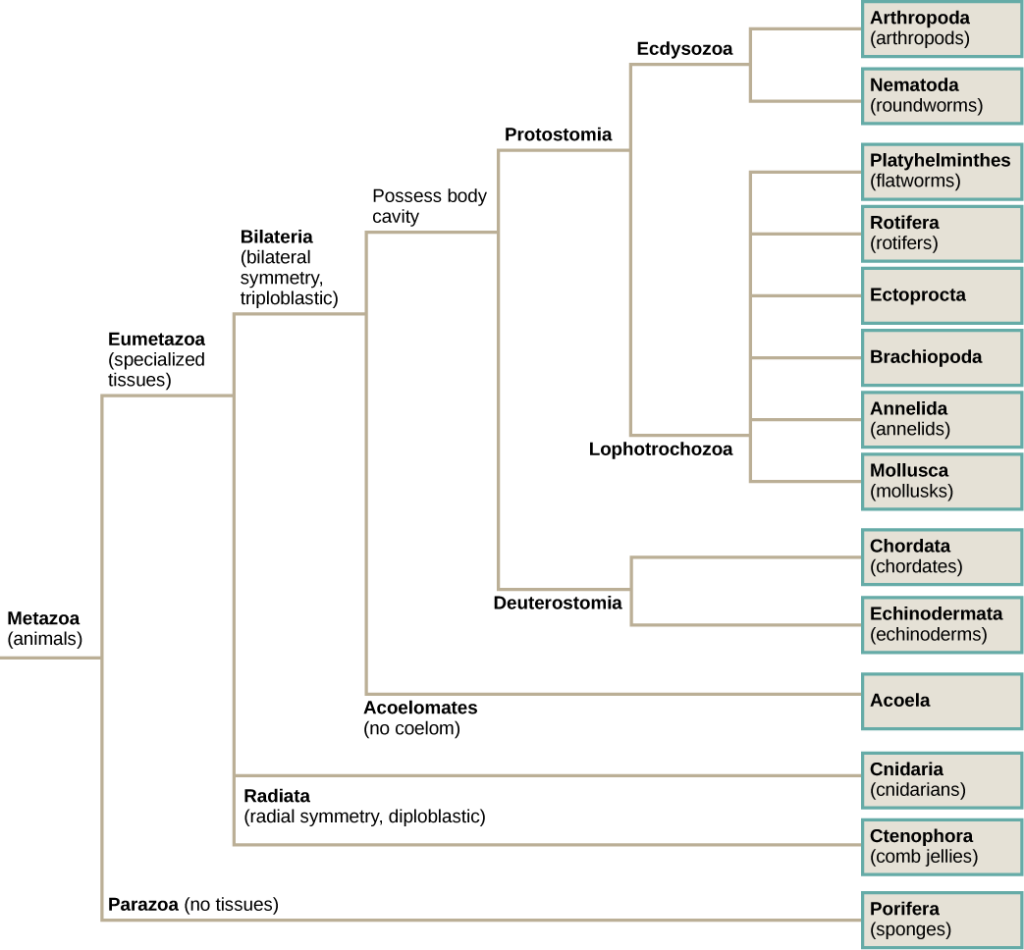
One of the most profound developments of the Cambrian Explosion was the advent of bilateral symmetry - the arrangement of body parts such that an organism can be divided along a central axis into two mirrored halves.
This innovative body plan, known as Bilateria, underpins the structure of the vast majority of today's multicellular organisms, and its first appearance in the Cambrian marked a pivotal step in the evolution of animal life.
Bilateral symmetry allows for a high degree of specialization in body parts and functions, facilitating the development of complex physiological systems. With a defined anterior (head) and posterior (tail) end, as well as distinguishable left and right sides and dorsal (back) and ventral (belly) surfaces, organisms could develop centralized nervous systems and purpose-built sensory organs.
Such advancements in complexity empowered organisms with enhanced locomotion, sophisticated feeding mechanisms, and a superior capacity to interact with their surroundings. The emergence of Bilateria was so significant that it spawned a multitude of diverse lineages, leading to a branching in the phylogenetic tree that would profoundly impact the course of evolution.
Two primary branches emerged from the Bilateria clade: the Protostomes and the Deuterostomes. Protostomes, including groups such as arthropods, mollusks, and annelids, typically undergo spiral and determinate cleavage during embryonic development. Deuterostomes, which include echinoderms and chordates (the group that would eventually give rise to vertebrates), undergo radial and indeterminate cleavage.
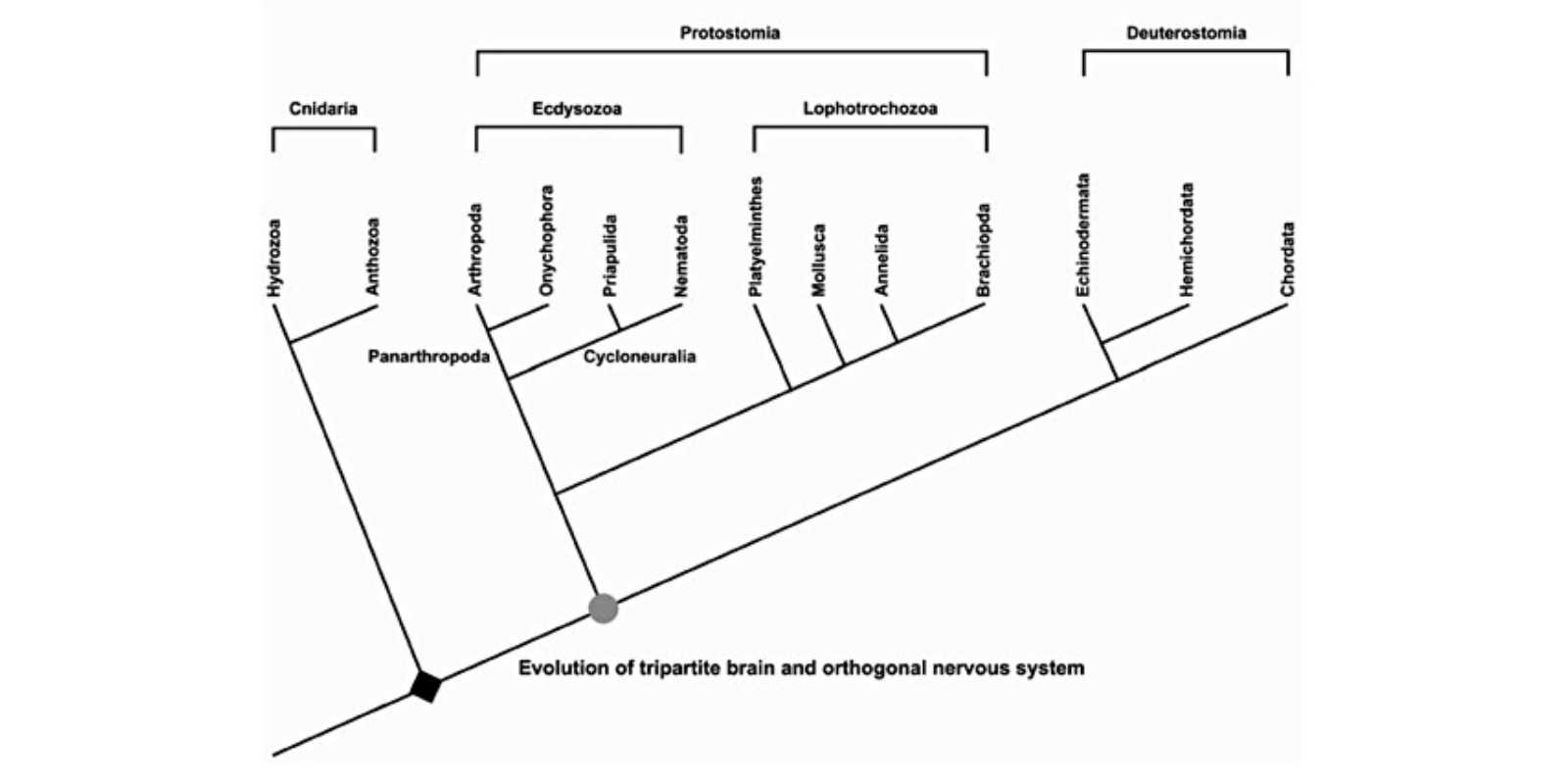
This deep branching event, deeply ingrained in the genes and developmental pathways of these lineages, had immense implications for the trajectory of animal evolution, and shaped the variety of forms and functions that evolved within these groups, influencing everything from body structure and sensory systems to modes of reproduction, and strategies for survival.
Thus, the rise of Bilateria during the Cambrian Explosion was not just an evolutionary innovation; it was a launching pad for the expansive diversity of complex life we see in the world today.
Conclusion
The Cambrian Explosion remains one of the most incredibly pivotal moments in Earth's history, ushering in an age of complex and diverse life forms. This profound period gave birth to life's resiliency and innovation, embodied in the evolutionary leaps seen in new body plans, bilateral symmetry, and complex systems.
Yet, the mysteries of the Cambrian period are far from exhausted, and ongoing research continues to illuminate new facets of this crucial era, further enhancing our understanding of the origins of modern life.
Hopefully you have enjoyed this shorter-than-usual post on the Cambrian Explosion, and it is a topic we will revisit time, and time again. In the meantime, however, feel free to follow us here on Substack, and stay up to date with all of our work on Exploring Deep time!
Resources
Briggs, D.E.G., Erwin, D.H., & Collier, F.J. (1994). The Fossils of the Burgess Shale. Smithsonian Books.
The Smithsonian National Museum of Natural History. (n.d.). The Cambrian Explosion
Knoll, A.H. (2015). Life on a Young Planet: The First Three Billion Years of Evolution on Earth. Princeton University Press.
Gould, S.J. (1989). Wonderful Life: The Burgess Shale and the Nature of History. W. W. Norton & Company.
Marshall, C.R. (2006). Explaining the Cambrian “Explosion” of Animals. Annual Review of Earth and Planetary Sciences, 34, 355–84